Learn Why Bass Lures Are Important for Effective Fishing Journeys
Bass lures play an essential function in improving the fishing experience. These tools properly mimic the all-natural prey of bass, triggering natural responses. Choosing the ideal appeal can dramatically influence a fishermen's success based upon numerous elements like water problems and seasonal adjustments. Recognizing the nuances of appeal selection and usage is crucial. Fishermens often neglect some critical elements that can make all the difference in their angling undertakings.
Recognizing the Various Kinds of Bass Draws
Bass angling enthusiasts recognize the value of choosing the best lure to attract their target species (Best Bass Lures South Africa). Different sorts of bass Lures exist, each designed to imitate the all-natural victim of bass. Crankbaits, as an copyrightple, are hard-bodied Lures that develop vibrations and unpredictable movements, making them effective for covering big areas of water. Soft plastics, including worms and animal lures, offer flexibility and can be set up in multiple ways to lure bass hiding in cover. Spinnerbaits, with their rotating blades, produce flash and vibration, attracting bass in dirty waters. Jerkbaits, commonly utilized for their lifelike action, can prompt aggressive strikes. Lastly, topwater Lures produce surface turmoil, interesting bass throughout feeding periods. Understanding these attraction types allows anglers to adapt their strategies, boosting their chances of a successful catch. Each attraction serves an one-of-a-kind function, making them vital tools in the bass angling collection
Exactly how to Select the Right Entice for Different Conditions
Selecting the ideal appeal for bass angling calls for an understanding of different ecological elements, especially water temperature and climate condition. Cold water might require slower, much more refined lures, while warmer temperature levels may call for a lot more hostile choices. In addition, changing climate patterns can considerably influence fish behavior, additional assisting the choice procedure.
Water Temperature Considerations
As water temperature level varies, the actions and feeding habits of bass change, making it necessary to pick the appropriate appeal for ideal success. In cooler temperatures, bass have a tendency to decrease and like slower-moving Lures such as jigs or soft plastics, which simulate slow target. As temperature levels rise, bass come to be a lot more energetic and receptive to faster discussions like spinnerbaits or crankbaits. During the warmer months, topwater Lures can be especially effective, as bass are commonly located feeding near the surface area. Alternatively, in severe warmth, much deeper diving Lures might be needed to reach fish that retreat to colder, much deeper waters. Understanding these temperature-related dynamics enables anglers to make enlightened selections, improving their possibilities of an effective angling experience.
Climate Effect On Attractions
Climate condition substantially affect angling success, making it vital for fishermens to adjust their attraction choice as necessary. On warm days, bright shades and reflective surface areas can draw in bass, as the fish are frequently more active and feeding near the surface area. Alternatively, cloudy problems create a demand for darker or more all-natural shades, as fish might look for shelter in much deeper waters. Wet weather can motivate using topwater Lures or spinnerbaits, which develop noise and resonances to draw focus. Windy days might need larger Lures that can puncture the water and remain secure. Bass Fishing Lures. By considering these variables, fishermens can boost their chances of success and guarantee a more efficient angling experience
The Function of Shade and Action in Attracting Bass
The performance of bass tempts significantly rests on their shade and activity, both of which play essential roles in attracting fish. Shade affects a bass's decision to strike; bright shades can stick out in murky waters, while natural colors match the forage found in clearer problems. Fishermens frequently pick shades based on water clarity, climate, and time of day to enhance their chances of success.
Activity describes the movement of the lure in the water, which replicates prey actions. Whether it's a fast fetch or a slow-moving, irregular movement, the activity of the lure can trigger a predacious feedback in bass. Lures that imitate hurt or leaving lure are specifically effective, as they evoke instinctual responses. By very carefully choosing both color and action, fishermens can significantly improve their lures' capacity to lure bass, making these elements necessary factors to consider for any successful fishing journey.
Top Strategies for Using Bass Lures Effectively
Selecting the right color and activity for bass Lures is just the beginning; understanding just how to efficiently make use of these Lures can dramatically boost an angler's success. One vital method involves differing the access speed. Slow, consistent retrieves can attract lethargic bass, while a fast, unpredictable activity may prompt aggressive strikes. In addition, comprehending the relevance of pauses throughout the retrieve can create possibilities for find this a bass to strike when the appeal shows up at risk.

Seasonal Factors To Consider for Bass Entice Selection
Seasonal changes dramatically influence the behavior of bass, necessitating different attraction strategies throughout the year. In springtime, anglers typically concentrate on Lures that simulate spawning activities, while winter months angling might ask for slower, more refined presentations. Recognizing these seasonal characteristics can enhance success in selecting the appropriate Lures for bass fishing.
Spring Tempt Strategies
As temperatures begin to increase and water degrees stabilize, anglers encounter an important chance to adjust their lure option for springtime bass angling. During this season, bass come to be extra active and start approaching spawning grounds, making them more vulnerable to numerous appeals. Fishermens must think about using soft plastics, such as worms and lizards, which resemble the natural target bass are seeking. Crankbaits and spinnerbaits can additionally work, particularly in superficial waters where bass gather together. Additionally, topwater Lures can tempt aggressive strikes during warmer days, particularly early in the early morning or late at night. By readjusting their lure choices to match the altering behavior and habitat of bass in springtime, fishermens can significantly improve their chances of a successful angling adventure.
Winter Months Angling Techniques
While winter brings cooler temperatures and a change in bass habits, anglers can still locate success by adapting their lure methods to the problems. Throughout this season, bass end up being much less energetic and often tend to remain much deeper in the water, making it important to select Lures that can reach these depths. Jigs and slow-moving soft plastics are particularly reliable, as they resemble the slower motion of target fish. Anglers should additionally consider making use of darker colors, which can be a lot more pop over to this site noticeable in dirty wintertime waters. In addition, including a sluggish fetch can tempt attacks, as bass are much less most likely to chase fast-moving appeals. By understanding these seasonal factors to consider, fishermens can boost their possibilities of an effective winter months fishing journey.
Maintenance Tips for Lengthening the Life of Your Attractions
Correctly preserving fishing Lures is crucial for fishermens seeking to maximize their efficiency and longevity. Normal cleaning after each angling trip is important; anglers should rinse Lures with fresh water to eliminate salt, dirt, and particles. This protects against deterioration and maintains the lure's finish.
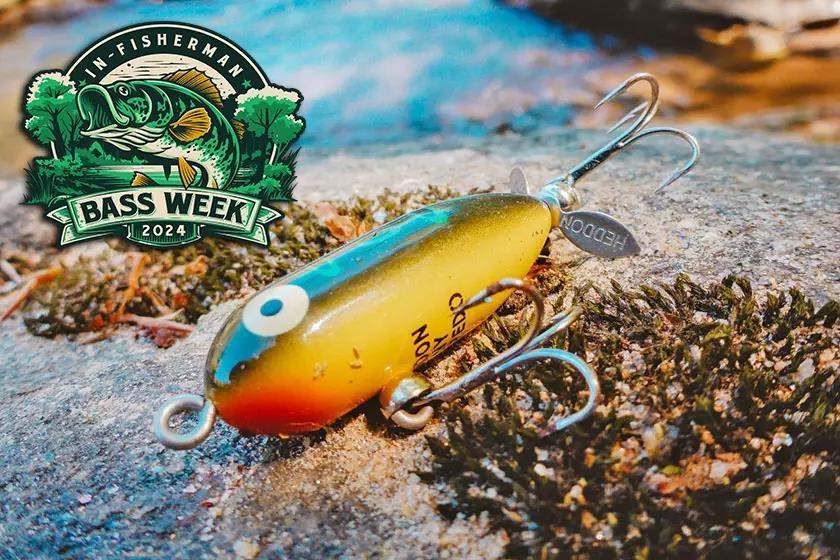
Inspecting Lures for damage is one more essential action. Anglers ought to check hooks for dullness or rust and change them as needed. In addition, guaranteeing that split rings and other equipment are secure can protect against the loss of valuable Lures during angling.
Often Asked Inquiries
How Do Weather Impact Bass Tempt Efficiency?
Weather significantly influence bass lure performance. Factors such as temperature, cloud cover, and wind can alter fish behavior, making certain Lures extra enticing. Anglers must adjust their selections based upon these transforming ecological problems for optimum results.
Can I Utilize Bass Lures for Other Fish Species?
Yes, bass Lures can be reliable for various other fish species. Their vivid shades and luring activities draw in different read review freshwater and deep sea fish, making them functional tools for anglers looking for to catch different kinds of fish.
What Is the Ideal Time of Day for Bass Angling With Lures?
The most effective time of day for bass fishing with Lures is commonly early morning and late night. Throughout these periods, bass are more energetic, making them most likely to strike at Lures provided in their environment.
Just how Do I Store My Lures to Stop Damage?
To avoid damage, Lures should be stored in a trendy, completely dry area far from direct sunlight. Utilizing tackle boxes with individual areas aids preserve their form and safeguards them from tangling and potential wear with time.
Exist Particular Lures for Catch-And-Release Angling?
Yes, specific Lures designed for catch-and-release angling are readily available. These Lures frequently have barbless hooks or are made from softer materials, decreasing injury to the fish and enhancing their opportunities of survival after release.
